


BONDS
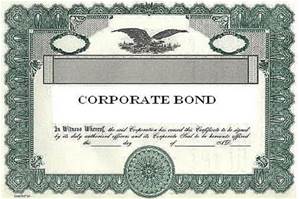
| Different Types Of Bonds Government Bonds In general, fixed-income securities are classified according to the length of time before maturity. These are the three main categories: Powered By Knowledgefinancial.com And Financial Academy School.Com - Bills - debt securities maturing in less than one year. Notes - debt securities maturing in one to 10 years. Bonds - debt securities maturing in more than 10 years. Marketable securities from the U.S. government - known collectively as Treasuries - follow this guideline and are issued as Treasury bonds, Treasury notes and Treasury bills (T-bills). Technically speaking, T-bills aren't bonds because of their short maturity. (You can read more about T-bills in our Money Market tutorial.) All debt issued by Uncle Sam is regarded as extremely safe, as is the debt of any stable country. The debt of many developing countries, however, does carry substantial risk. Like companies, countries can default on payments. Powered By Knowledgefinancial.com And Financial Academy School.Com - Municipal Bonds Municipal bonds, known as "munis", are the next progression in terms of risk. Cities don't go bankrupt that often, but it can happen. The major advantage to munis is that the returns are free from federal tax. Furthermore, local governments will sometimes make their debt non-taxable for residents, thus making some municipal bonds completely tax free. Because of these tax savings, the yield on a muni is usually lower than that of a taxable bond. Depending on your personal situation, a muni can be a great investment on an after-tax basis. Corporate Bonds A company can issue bonds just as it can issue stock. Large corporations have a lot of flexibility as to how much debt they can issue: the limit is whatever the market will bear. Generally, a short-term corporate bond is less than five years; intermediate is five to 12 years, and long term is over 12 years. Powered By Knowledgefinancial.com And Financial Academy School.Com - Corporate bonds are characterized by higher yields because there is a higher risk of a company defaulting than a government. The upside is that they can also be the most rewarding fixed-income investments because of the risk the investor must take on. The company's credit quality is very important: the higher the quality, the lower the interest rate the investor receives. Other variations on corporate bonds include convertible bonds, which the holder can convert into stock, and callable bonds, which allow the company to redeem an issue prior to maturity. -----------------Knowledge Financial Group - knowledgefinancial.com Maturity The maturity date is the date in the future on which the investor's principal will be repaid. Maturities can range from as little as one day to as long as 30 years (though terms of 100 years have been issued). A bond that matures in one year is much more predictable and thus less risky than a bond that matures in 20 years. Therefore, in general, the longer the time to maturity, the higher the interest rate. Also, all things being equal, a longer term bond will fluctuate more than a shorter term bond. Powered By Knowledgefinancial.com And Financial Academy School.Com - |
How Do I Buy Bonds?
Most bond transactions can be completed through a full service or discount brokerage. You can also open an account with a bond broker,
but be warned that most bond brokers require a minimum initial deposit of $5,000. If you cannot afford this amount, we suggest looking at
a mutual fund that specializes in bonds (or a bond fund).Knowledge Financial Group - knowledgefinancial.com
Some financial institutions will provide their clients with the service of transacting government securities. However, if your bank doesn't
provide this service and you do not have a brokerage account, you can purchase government bonds through a government agency (this is
true in most countries). In the U.S. you can buy bonds directly from the government through TreasuryDirect at
http://www.treasurydirect.gov. The Bureau of the Public Debt started TreasuryDirect so that individuals could buy bonds directly from the
Treasury, thereby bypassing a broker. All transactions and interest payments are done electronically.
If you do decide to purchase a bond through your broker, he or she may tell you that the trade is commission free. Don't be fooled. What
typically happens is that the broker will mark up the price slightly; this markup is really the same as a commission. To make sure that you
are not being taken advantage of, simply look up the latest quote for the bond and determine whether the markup is acceptable.
Remember, you should research bonds just as you would stocks. We've gone over several factors you need to consider before loaning
money to a government or company, so do your homework. Powered By Knowledgefinancial.com And Financial Academy School.Com -Knowledge
Financial Group - knowledgefinancial.com
Most bond transactions can be completed through a full service or discount brokerage. You can also open an account with a bond broker,
but be warned that most bond brokers require a minimum initial deposit of $5,000. If you cannot afford this amount, we suggest looking at
a mutual fund that specializes in bonds (or a bond fund).Knowledge Financial Group - knowledgefinancial.com
Some financial institutions will provide their clients with the service of transacting government securities. However, if your bank doesn't
provide this service and you do not have a brokerage account, you can purchase government bonds through a government agency (this is
true in most countries). In the U.S. you can buy bonds directly from the government through TreasuryDirect at
http://www.treasurydirect.gov. The Bureau of the Public Debt started TreasuryDirect so that individuals could buy bonds directly from the
Treasury, thereby bypassing a broker. All transactions and interest payments are done electronically.
If you do decide to purchase a bond through your broker, he or she may tell you that the trade is commission free. Don't be fooled. What
typically happens is that the broker will mark up the price slightly; this markup is really the same as a commission. To make sure that you
are not being taken advantage of, simply look up the latest quote for the bond and determine whether the markup is acceptable.
Remember, you should research bonds just as you would stocks. We've gone over several factors you need to consider before loaning
money to a government or company, so do your homework. Powered By Knowledgefinancial.com And Financial Academy School.Com -Knowledge
Financial Group - knowledgefinancial.com
Conclusion of the bonds market
Now you know the basics of bonds. Not too complicated, is it? Here is a recap of what we discussed:
Bonds are just like IOUs. Buying a bond means you are lending out your money.
Bonds are also called fixed-income securities because the cash flow from them is fixed.
Stocks are equity; bonds are debt.
The key reason to purchase bonds is to diversify your portfolio. Knowledge Financial Group - knowledgefinancial.com
The issuers of bonds are governments and corporations.
A bond is characterized by its face value, coupon rate, maturity and issuer.
Yield is the rate of return you get on a bond. Knowledge Financial Group - knowledgefinancial.com
When price goes up, yield goes down, and vice versa. Knowledge Financial Group - knowledgefinancial.com
When interest rates rise, the price of bonds in the market falls, and vice versa.
Bills, notes and bonds are all fixed-income securities classified by maturity.
Government bonds are the safest bonds, followed by municipal bonds, and then corporate bonds.
Bonds are not risk free. It's always possible - especially in the case of corporate bonds - for the borrower to default on the debt payments.
High-risk/high-yield bonds are known as junk bonds. Knowledge Financial Group - knowledgefinancial.com
You can purchase most bonds through a brokerage or bank. If you are a U.S. citizen, you can buy government bonds through TreasuryDirect.
Often, brokers will not charge a commission to buy bonds but will mark up the price instead.
Now you know the basics of bonds. Not too complicated, is it? Here is a recap of what we discussed:
Bonds are just like IOUs. Buying a bond means you are lending out your money.
Bonds are also called fixed-income securities because the cash flow from them is fixed.
Stocks are equity; bonds are debt.
The key reason to purchase bonds is to diversify your portfolio. Knowledge Financial Group - knowledgefinancial.com
The issuers of bonds are governments and corporations.
A bond is characterized by its face value, coupon rate, maturity and issuer.
Yield is the rate of return you get on a bond. Knowledge Financial Group - knowledgefinancial.com
When price goes up, yield goes down, and vice versa. Knowledge Financial Group - knowledgefinancial.com
When interest rates rise, the price of bonds in the market falls, and vice versa.
Bills, notes and bonds are all fixed-income securities classified by maturity.
Government bonds are the safest bonds, followed by municipal bonds, and then corporate bonds.
Bonds are not risk free. It's always possible - especially in the case of corporate bonds - for the borrower to default on the debt payments.
High-risk/high-yield bonds are known as junk bonds. Knowledge Financial Group - knowledgefinancial.com
You can purchase most bonds through a brokerage or bank. If you are a U.S. citizen, you can buy government bonds through TreasuryDirect.
Often, brokers will not charge a commission to buy bonds but will mark up the price instead.
 | |  | |  | |  |
 |  |  |  |  |
 |  |  |  |  |  |  |  |  |
 |  |  |  |  |  |  |  |
 |  |  |  |  |
REAL ESTATE
INVESTING: We can help you
understand what it takes to be a
successful investor.
Get help from professional,
discovering simple and profitable
ways to invest well in real estate.
Avoiding bad investments
CONTACT US TO ASSIST YOU!
'' MORTGAGE HOME
LOANS
A good way to get a mortgage
loan is to let a
mortgage broker works for you
Let him shop around and
comparing mortgages that can be
time consuming, so it may save
you time by letting an
experienced, a competent
mortgage broker do the job.
It may also save you a lot of
money since mortgage broker
could find a better loan at lower
interest rate than what you can
find yourself.
In the long run you could probably
save thousand of dollars...
INVESTING: We can help you
understand what it takes to be a
successful investor.
Get help from professional,
discovering simple and profitable
ways to invest well in real estate.
Avoiding bad investments
CONTACT US TO ASSIST YOU!
'' MORTGAGE HOME
LOANS
A good way to get a mortgage
loan is to let a
mortgage broker works for you
Let him shop around and
comparing mortgages that can be
time consuming, so it may save
you time by letting an
experienced, a competent
mortgage broker do the job.
It may also save you a lot of
money since mortgage broker
could find a better loan at lower
interest rate than what you can
find yourself.
In the long run you could probably
save thousand of dollars...
| KNOWLEDGEFINANCIALGROUP.COM |
| BOND FUNDS, Bond Basics Characteristics. Bonds have a number of characteristics of which you need to be aware |
GENERAL INVESTMENT
STRATEGIES, METHODS, AND
TECHNIQUES. A BETTER WAY TO
BUILD WEALTH! When it comes to
reliable investments, real estate
investing is the best wealth-
builder in the world.
INVESTING / METHOD AND
TECHNIQUES TO INVEST IN
TODAY'S MARKET FOR A BETTER
TOMORROW
STOCK MARKET: A WAY TO
INVEST AND MULTIPLY YOUR
MONEY. THE MARKET HAS
THOUSANDS OF COMPANIES TO
BUY STOCKS, Mutual Funds, Bond
Funds, Annuity. The market in
which shares are issued and
traded either through exchanges
or over-the-counter markets.
REITs= REAL ESTATE
INVESTMENT TRUST: A GREAT
WAY TO INVEST IN REAL ESTATE
WITHOUT TAKING A MORTGAGE
LOAN
FOREX MARKET: THE LARGEST
MARKET IN THE WORLD TO
INVEST AND GET RICHER IF YOU
USE THE RIGHT TOOLS
INSURANCE 101: THE
IMPORTANCE OF INSURANCE IN
SOMEONE'S LIFE. HOW TO SAVE
MONEY ON YOUR INSURANCE
PREMIUM? LEARN ABOUT THE 5
INSURANCE POLICIES EVERYBODY
NEEDS AND THE 15 INSURANCE
POLICIES YOU DON'T NEED.
REAL ESTATE INVESTMENT
SECRETS REVEALED, REAL
ESTATE CAN HELP YOU GET
RICHER THE QUICKEST, EASIEST
WAY POSSIBLE. HOW TO GET PRE-
QUALIFY FOR A HOME LOAN?
HOW DOES OWNER FINANCING
REALLY WORKS
SMALL BUSINESS, METHODS,
TECHNIQUES, AND STRATEGIES.
Business structures 101. LLP,
LLC, S-corp and C-corp: It's not
just alphabet soup! A breakdown
of what you need to know, in
layman's terms.
Mortgage Loans Modification:
SAVE YOUR HOME, SAVE YOUR
CREDIT, REDUCE YOUR MONTHLY
PAYMENT, AVOID FORECLOSURE
HOME REFINANCE: 10 GREAT
REASONS TO REFINANCE A
PROPERTY. RATES ARE STILL
NEAR HISTORIC LOWS, IT MAY BE
A GOOD TIME NOW TO
REFINANCE! SOUTH FLORIDA
CALL: 786-709-6577 -- WE'RE
LICENSED MORTGAGE BROKER
AMERICAN BANKING SYSTEM:
BANKING HISTORY; GREAT
THINGS TO KNOW ABOUT THE
AMERICAN BANKING HISTORY
BANKING AND FINANCE,
COMMERCIAL BANKING: The
fundamental functions of a
commercial bank during the past
two centuries
SAVING: THE SECRETS OF SAVING;
WAYS TO SAVE A LOT OF MONEY
AND GETTING RICHER. 66 WAYS
TO SAVE MONEY
MONEY MANAGEMENT: Ten
Resolutions to Make Your
Financial Life Easier. 10 Ways to
Avoid Overdraft and Bounced
Check Fees
THE 16 DAYS THAT SHOOCK THE
US ECONOMY IN SEPTEMBER,
2008. A shocking series of events
that forever changed the financial
markets.
AMERICA’S MONEY CRISIS /
Bailout 101: What new law says.
Here's a rundown of key
provisions of the financial rescue
plan that United State Senate
voted, Wednesday October 1; and
the house voted Friday October 3,
2008.
FORTUNE, CREATION AND
INTRODUCTION: When you invest
in stock, you buy ownership
shares in a company. Before You
Invest; Before undertaking any
investment program, it is critical
that you assess your current
situation and form goals.
Evaluating a Stock, Creating an
Emergency Fund
Trust Account: Definition of a
Trust; Land Trust, Living Trust,
Revocable Trust. In general, a
"trust" is a legal entity that is able
to own property and other assets.
STRATEGIES, METHODS, AND
TECHNIQUES. A BETTER WAY TO
BUILD WEALTH! When it comes to
reliable investments, real estate
investing is the best wealth-
builder in the world.
INVESTING / METHOD AND
TECHNIQUES TO INVEST IN
TODAY'S MARKET FOR A BETTER
TOMORROW
STOCK MARKET: A WAY TO
INVEST AND MULTIPLY YOUR
MONEY. THE MARKET HAS
THOUSANDS OF COMPANIES TO
BUY STOCKS, Mutual Funds, Bond
Funds, Annuity. The market in
which shares are issued and
traded either through exchanges
or over-the-counter markets.
REITs= REAL ESTATE
INVESTMENT TRUST: A GREAT
WAY TO INVEST IN REAL ESTATE
WITHOUT TAKING A MORTGAGE
LOAN
FOREX MARKET: THE LARGEST
MARKET IN THE WORLD TO
INVEST AND GET RICHER IF YOU
USE THE RIGHT TOOLS
INSURANCE 101: THE
IMPORTANCE OF INSURANCE IN
SOMEONE'S LIFE. HOW TO SAVE
MONEY ON YOUR INSURANCE
PREMIUM? LEARN ABOUT THE 5
INSURANCE POLICIES EVERYBODY
NEEDS AND THE 15 INSURANCE
POLICIES YOU DON'T NEED.
REAL ESTATE INVESTMENT
SECRETS REVEALED, REAL
ESTATE CAN HELP YOU GET
RICHER THE QUICKEST, EASIEST
WAY POSSIBLE. HOW TO GET PRE-
QUALIFY FOR A HOME LOAN?
HOW DOES OWNER FINANCING
REALLY WORKS
SMALL BUSINESS, METHODS,
TECHNIQUES, AND STRATEGIES.
Business structures 101. LLP,
LLC, S-corp and C-corp: It's not
just alphabet soup! A breakdown
of what you need to know, in
layman's terms.
Mortgage Loans Modification:
SAVE YOUR HOME, SAVE YOUR
CREDIT, REDUCE YOUR MONTHLY
PAYMENT, AVOID FORECLOSURE
HOME REFINANCE: 10 GREAT
REASONS TO REFINANCE A
PROPERTY. RATES ARE STILL
NEAR HISTORIC LOWS, IT MAY BE
A GOOD TIME NOW TO
REFINANCE! SOUTH FLORIDA
CALL: 786-709-6577 -- WE'RE
LICENSED MORTGAGE BROKER
AMERICAN BANKING SYSTEM:
BANKING HISTORY; GREAT
THINGS TO KNOW ABOUT THE
AMERICAN BANKING HISTORY
BANKING AND FINANCE,
COMMERCIAL BANKING: The
fundamental functions of a
commercial bank during the past
two centuries
SAVING: THE SECRETS OF SAVING;
WAYS TO SAVE A LOT OF MONEY
AND GETTING RICHER. 66 WAYS
TO SAVE MONEY
MONEY MANAGEMENT: Ten
Resolutions to Make Your
Financial Life Easier. 10 Ways to
Avoid Overdraft and Bounced
Check Fees
THE 16 DAYS THAT SHOOCK THE
US ECONOMY IN SEPTEMBER,
2008. A shocking series of events
that forever changed the financial
markets.
AMERICA’S MONEY CRISIS /
Bailout 101: What new law says.
Here's a rundown of key
provisions of the financial rescue
plan that United State Senate
voted, Wednesday October 1; and
the house voted Friday October 3,
2008.
FORTUNE, CREATION AND
INTRODUCTION: When you invest
in stock, you buy ownership
shares in a company. Before You
Invest; Before undertaking any
investment program, it is critical
that you assess your current
situation and form goals.
Evaluating a Stock, Creating an
Emergency Fund
Trust Account: Definition of a
Trust; Land Trust, Living Trust,
Revocable Trust. In general, a
"trust" is a legal entity that is able
to own property and other assets.
| '' 'INVESTMENT & FINANCE: METHODS, TECHNIQUES, AND STRATEGIES. WHERE, WHEN, HOW TO INVEST? INVESTMENT GENERAL INFORMATION.-- Investment knowledge and information to succeed financially. Investment in Stock Market,// // Mutual Funds,// Real Estate, and currency foreign exchange (Forex Market) . Those are the five primary investment tools for the majority of investors looking to earn money outside of the bank accounts. Risk/Tolerance Risk means taking a chance, Without the outcome not guaranteed to be in your favor. In life, most things require some degree of risk. Your tolerance is how comfortable you will feel with unfavorable outcome. Risk versus tolerance is one of the first determinants in how you should invest your money. It is a way to assess which investment route you wish to take: Conservative or Aggressive. Diversification To diversify means to ‘’spread it around’’ or do not put all your eggs in only one basket. Commissions and costs The primary cost associated with investing is that of paying commissions. Whether you are trading online or dealing with a real human being {Brokers) commission fees , operating costs, or administrative fees will be attached. Getting Started: On Your Own or With a Broker Choosing the way you will conduct your investing is an important decision. Fortunately, you have several options, Whichever way you choose to conduct your investment affairs has a lot to do with your level of investment interest and just how eager you are to make research. Stock Basics What a stock represents Before you buy a stock, it’s a good idea to understand to understand exactly what that purchase represents. When you buy a stock, you actually buying a portion of corporation. -- Mutual Funds What is a mutual fund? A mutual is an investment vehicle that pools money of many investors and buy stocks, bonds, or other securities depending of the type of funds. -- - Bonds are essentially a loan to a company, municipality, or the government. This is money to be paid back at a set date in the future - Real Estate Investment Real Estate is a road-map to riches, it’s one of the way to build wealth. The ultra rich always invest in real estate. There is no better investment than real estate despites the ups and downs, it outperformed all other investments. Real Estate is nothing but a passport to wealth. Real Estate Secrets ... Real Estate Investment Tools. Foreign Currency Exchange} T--THE LARGEST MARKET IN THE WORLD TO INVEST AND GET RICHER IF YOU USE THE RIGHT TOOLS. Forex Market-Foreign Currency Exchange. I: MAKE YOURSELF RICHER BY INVESTING THE RIGHT WAY IN THE RIGHT PRODUCTS. The Role of Money in Our Life / THE ARCHITECTURE OF PROSPERITY UNDERSTAND THE RULE OF 72... Retirement Plans and Other Safe Investments It’s never too late early to plan for your retirement or to set your sights on other future goals. As life expectancy increases, there are more years to enjoy, so it’s in your benefit to better plan accordingly. There are various popular options that provide comfortable investment opportunities. Some like 401k’s, IRA, Pension plan . THE ULTIMATE RETIREMENT GUIDE; HOW TO RETIRE EARLY AND RETIRE REACH. WHAT ARE 401K, ROTH 401K, INDIVIDUAL 401K, 403B, 457 PLAN, THRIFT SAVINGS PLAN. What is a SEP IRA? What is a SIMPLE IRA? --- IRA / INDIVIDUAL RETIREMENT ACCOUNT. What is an IRA? And what does it matter? |
-NYSE, New York Stock Exchange..
Real time quotes, market information, regulations, news.
-NASDAQ Stock Market - Stock Quotes - Stock Exchange News -
The NASDAQ Stock Market - Official site of The NASDAQ Stock Market featuring free stock quotes, stock exchange prices, stock market
news
-MarketWatch - Stock Market Quotes, Business News ... CNN
Stock Market Quotes, Business News and Financial News from the leading provider
-Market trend-- A market trend is a putative tendency of a financial market to move in a particular direction over time.
-U.S. Markets - Dow Jones, Nasdaq, S&P 500 -
Complete financial market coverage with breaking news, analysis, stock quotes, before & after hours market data, research
-Want a Better way to Financial Freedom-..
Let me show you by Providing the System, Training & World-Class Support
- Google! Finance - Business Finance, Stock Market, Quotes, News-..
At Google! Finance, you get free stock quotes, up to date news, portfolio management resources
-A stock market or equity market history and biography..
Real time quotes, market information, regulations, news.
-NASDAQ Stock Market - Stock Quotes - Stock Exchange News -
The NASDAQ Stock Market - Official site of The NASDAQ Stock Market featuring free stock quotes, stock exchange prices, stock market
news
-MarketWatch - Stock Market Quotes, Business News ... CNN
Stock Market Quotes, Business News and Financial News from the leading provider
-Market trend-- A market trend is a putative tendency of a financial market to move in a particular direction over time.
-U.S. Markets - Dow Jones, Nasdaq, S&P 500 -
Complete financial market coverage with breaking news, analysis, stock quotes, before & after hours market data, research
-Want a Better way to Financial Freedom-..
Let me show you by Providing the System, Training & World-Class Support
- Google! Finance - Business Finance, Stock Market, Quotes, News-..
At Google! Finance, you get free stock quotes, up to date news, portfolio management resources
-A stock market or equity market history and biography..
'' -- THE 16 DAYS THAT SHOOCK THE US ECONOMY IN SEPTEMBER, 2008. A shocking series of events that forever changed the financial markets.
AMERICA’S MONEY CRISIS / Bailout 101: What new law says. Here's a rundown of key provisions of the financial rescue plan that United State
Senate voted, Wednesday October 1; and the house voted Friday October 3, 2008.
FORTUNE, CREATION AND INTRODUCTION: When you invest in stock, you buy ownership shares in a company. Before You Invest; Before
undertaking any investment program, it is critical that you assess your current situation and form goals. Evaluating a Stock, Creating an Emergency
Fund
Trust Account: Definition of a Trust; Land Trust, Living Trust, Revocable Trust. In general, a "trust" is a legal entity that is able to own property and
other assets. --
..RICH GUIDE, WHY AREN'T RICH?
BUILDING FINANCIAL WEALTH, OBTAIN FINANCIAL FREEDOM, BECOME A RICH PERSON; YES YOU CAN...
..RULE OF 72: The compound interest and financial success. Rule Of 72 is the most important and simple rule of financial success.
..MILLIONAIRE: How To Make Your First $1 Million? The Millionaire's Mindset
..FORTUNE: BEFORE INVESTING IN THE STOCK MARKET LEARN THIS FIRST!...
..GOVERNMENT: Government's general information; Local, State, and Federal.
Housing Finance Authority of Miami dade, Monroe, Broward, and Palm Beach County
..EMPIRE: THE ABC's OF INVESTMENTS, Ways to Save. THE TRIANGLE OF SUCCESS...
AMERICA’S MONEY CRISIS / Bailout 101: What new law says. Here's a rundown of key provisions of the financial rescue plan that United State
Senate voted, Wednesday October 1; and the house voted Friday October 3, 2008.
FORTUNE, CREATION AND INTRODUCTION: When you invest in stock, you buy ownership shares in a company. Before You Invest; Before
undertaking any investment program, it is critical that you assess your current situation and form goals. Evaluating a Stock, Creating an Emergency
Fund
Trust Account: Definition of a Trust; Land Trust, Living Trust, Revocable Trust. In general, a "trust" is a legal entity that is able to own property and
other assets. --
..RICH GUIDE, WHY AREN'T RICH?
BUILDING FINANCIAL WEALTH, OBTAIN FINANCIAL FREEDOM, BECOME A RICH PERSON; YES YOU CAN...
..RULE OF 72: The compound interest and financial success. Rule Of 72 is the most important and simple rule of financial success.
..MILLIONAIRE: How To Make Your First $1 Million? The Millionaire's Mindset
..FORTUNE: BEFORE INVESTING IN THE STOCK MARKET LEARN THIS FIRST!...
..GOVERNMENT: Government's general information; Local, State, and Federal.
Housing Finance Authority of Miami dade, Monroe, Broward, and Palm Beach County
..EMPIRE: THE ABC's OF INVESTMENTS, Ways to Save. THE TRIANGLE OF SUCCESS...
''KNOWLEDGE: 'Finance and Investment Knowledge Research Invention And Discovery. Saving and Investing -
Financial Knowledge, Financial Literacy, Financial Education And Resources For All. --
''AMERICAN BANKING SYSTEM: BANKING HISTORY; GREAT THINGS TO KNOW ABOUT THE AMERICAN BANKING
HISTORY
BANKING AND FINANCE, COMMERCIAL BANKING: The fundamental functions of a commercial bank during the past two
centuries
SAVING: THE SECRETS OF SAVING; WAYS TO SAVE A LOT OF MONEY AND GETTING RICHER. 66 WAYS TO SAVE MONEY
MONEY MANAGEMENT: Ten Resolutions to Make Your Financial Life Easier. 10 Ways to Avoid Overdraft and Bounced
Check Fees
''INDEX FUNDS -What You Need to Know About Trading and Investing in Leveraged ETFs. What Does Index Fund Mean?
-
''MONEY: '45 Ways to Improve Your Finances This Year.
Whether you want to ramp up your earning power, finally start a retirement savings account.
--
'' Market Advice Plus The Definition Of The Financial Terms:
''Financial Freedom Strategies Methods And techniques to win. Financial Freedom,the ways to obtain, Look for them,
find them and take action!Path to financial independence
'' RETIREMENT: SOCIAL SECURITY; THE ULTIMATE RETIREMENT GUIDE. HOW DOES
SOCIAL SECURITY WORK? Does someone can depend only on Social Security check?
''SAVING MONEY: THE SECRETS OF SAVING; WAYS TO SAVE A LOT OF MONEY AND GETTING RICHER
'' RULES OF SUCCESS, RULES OF MONEY: THE RULES OF SUCCESS-The rules of money have changed and it’s time
for you to get smart with your money! --
Financial Knowledge, Financial Literacy, Financial Education And Resources For All. --
''AMERICAN BANKING SYSTEM: BANKING HISTORY; GREAT THINGS TO KNOW ABOUT THE AMERICAN BANKING
HISTORY
BANKING AND FINANCE, COMMERCIAL BANKING: The fundamental functions of a commercial bank during the past two
centuries
SAVING: THE SECRETS OF SAVING; WAYS TO SAVE A LOT OF MONEY AND GETTING RICHER. 66 WAYS TO SAVE MONEY
MONEY MANAGEMENT: Ten Resolutions to Make Your Financial Life Easier. 10 Ways to Avoid Overdraft and Bounced
Check Fees
''INDEX FUNDS -What You Need to Know About Trading and Investing in Leveraged ETFs. What Does Index Fund Mean?
-
''MONEY: '45 Ways to Improve Your Finances This Year.
Whether you want to ramp up your earning power, finally start a retirement savings account.
--
'' Market Advice Plus The Definition Of The Financial Terms:
''Financial Freedom Strategies Methods And techniques to win. Financial Freedom,the ways to obtain, Look for them,
find them and take action!Path to financial independence
'' RETIREMENT: SOCIAL SECURITY; THE ULTIMATE RETIREMENT GUIDE. HOW DOES
SOCIAL SECURITY WORK? Does someone can depend only on Social Security check?
''SAVING MONEY: THE SECRETS OF SAVING; WAYS TO SAVE A LOT OF MONEY AND GETTING RICHER
'' RULES OF SUCCESS, RULES OF MONEY: THE RULES OF SUCCESS-The rules of money have changed and it’s time
for you to get smart with your money! --
 |
| |
 |
| |
 |
| |
 |
| |
 |
| |
 |
| |
 |
| |
 |
| |
 |
| |
 |
| |
 |
| |
 |
| |
 |
| |
 |
| |
 |
| |
 |
| |
 |
| |
 |
| |
 |
| |
 |
| |
 |
| |
 |
| |
 |
| |
 |
| |
 |
| |
 |
| |
 |
| |
 |
| |
 |
| |
 |
| |
 |
| |
 |
| |
 |
| '' Bonds: What are bonds? A bond is a debt security, similar to an IOU. Borrowers issue bonds to raise money from investors willing to lend them money for a certain amount of time. When you buy a bond, you are lending to the issuer, which may be a government, municipality, or corporation. In return, the issuer promises to pay you a specified rate of interest during the life of the bond and to repay the principal, also known as face value or par value of the bond, when it "matures," or comes due after a set period of time. Powered By Knowledgefinancial.com And Financial Academy School.Com - Why do people buy bonds? Investors buy bonds because: They provide a predictable income stream. Typically, bonds pay interest twice a year. If the bonds are held to maturity, bondholders get back the entire principal, so bonds are a way to preserve capital while investing. Bonds can help offset exposure to more volatile stock holdings. Companies, governments and municipalities issue bonds to get money for various things, which may include: Providing operating cash flow Financing debt Funding capital investments in schools, highways, hospitals, and other projects. Powered By Knowledgefinancial.com And Financial Academy School.Com - What types of bonds are there? There are three main types of bonds: Corporate bonds are debt securities issued by private and public corporations. Investment-grade. These bonds have a higher credit rating, implying less credit risk, than high-yield corporate bonds. Powered By Knowledgefinancial.com And Financial Academy School.Com - High-yield. These bonds have a lower credit rating, implying higher credit risk, than investment-grade bonds and, therefore, offer higher interest rates in return for the increased risk. Municipal bonds, called “munis,” are debt securities issued by states, cities, counties and other government entities. Types of “munis” include: General obligation bonds. These bonds are not secured by any assets; instead, they are backed by the “full faith and credit” of the issuer, which has the power to tax residents to pay bondholders. Revenue bonds. Instead of taxes, these bonds are backed by revenues from a specific project or source, such as highway tolls or lease fees. Some revenue bonds are “non-recourse,” meaning that if the revenue stream dries up, the bondholders do not have a claim on the underlying revenue source. Conduit bonds. Governments sometimes issue municipal bonds on behalf of private entities such as non- profit colleges or hospitals. These “conduit” borrowers typically agree to repay the issuer, who pays the interest and principal on the bonds. If the conduit borrower fails to make a payment, the issuer usually is not required to pay the bondholders. U.S. Treasuries are issued by the U.S. Department of the Treasury on behalf of the federal government. They carry the full faith and credit of the U.S. government, making them a safe and popular investment. Types ofU.S. Treasury debt include: Powered By Knowledgefinancial.com And Financial Academy School.Com - Treasury Bills. Short-term securities maturing in a few days to 52 weeks Notes. Longer-term securities maturing within ten years Bonds. Long-term securities that typically mature in 30 years and pay interest every six months What are the benefits and risks of bonds? Bonds can provide a means of preserving capital and earning a predictable return. Bond investments provide steady streams of income from interest payments prior to maturity. The interest from municipal bonds generally is exempt from federal income tax and also may be exempt from state and local taxes for residents in the states where the bond is issued. As with any investment, bonds have risks. Bond investors are relying on the issuer’s ability to pay interest and repay principal. If the issuer has financial problems or defaults, the bondholders could wind up with losses. Powered By Knowledgefinancial.com And Financial Academy School.Com - Other risks include: Call risk. The possibility that a bond issuer retires a bond before its maturity date, something an issuer might do if interest rates decline, much like a homeowner might refinance a mortgage to benefit from lower interest rates. Powered By Knowledgefinancial.com And Financial Academy School.Com - Inflation risk. Inflation is a general upward movement in prices. Inflation reduces purchasing power, which is a risk for investors receiving a fixed rate of interest. Knowledge Financial Group - knowledgefinancial.com Liquidity risk . This refers to the risk that investors won’t find a market for the bond, potentially preventing them from buying or selling when they want. Interest rate risk. Interest rate changes can affect a bond’s value. If bonds are held to maturity the investor will receive the face value, plus interest. If sold before maturity, the bond may be worth more or less than the face value. Rising interest rates will make newly issued bonds more appealing to investors because the newer bonds will have a higher rate of interest than older ones. To sell an older bond with a lower interest rate, you might have to sell it at a discount. Knowledge Financial Group - knowledgefinancial.com How to buy and sell bonds With the exception of U.S. Treasury debt, bonds typically are not bought directly from the issuer but through an intermediary known as the underwriter. Powered By Knowledgefinancial.com And Financial Academy School.Com - Unlike stocks, bonds are not traded on an exchange; instead the underwriter buys them from the issuer and resells them to investors in the over-the-counter (OTC) market. Each bond is given a CUSIP number, similar to a ticker symbol, which is a uniform method to identify the security. Another way to purchase bonds is through bond funds. These are a type of mutual fund that invests primarily in bonds. Depending on its investment objective and policies, a bond fund may concentrate its investments in a particular type of bond. Bond funds can be purchased directly through investment companies or through a broker or adviser. Understanding fees All investments have fees. Bonds bought by investors normally include a markup, which consists of the broker-dealer’ s costs and profit. An additional commission may be added if a broker-dealer has to locate a specific bond rather than selling one from the firm’s inventory. Knowledge Financial Group - knowledgefinancial.com |
| About Twitter Twitter is an easy way to keep up with the people, organizations, and events you care about - and to share your thoughts instantaneously. CLICK ON: Twitter-1--Twitter-2- '' HERE YOU CAN Follow us - Like us On Facebook Millions of people use Facebook everyday to keep up with friends, Share Important Information, News, Events, links Facebook Connection For Success, Like Us - Follow Us. ''Business People, Professionals, Investors Connect to Linkedin- Link With me Now For Questions and Answers''-- |


| '' EARNED INCOME // What is Earned Income? EARNED INCOME: Is the most popular income, it's what most of the population have to survive financially perhaps for most people is the only income for life... ========== '' = Passive Income How to Earn More and Work Less... What is passive income? Passive income is an income received on a regular basis, with little effort required to maintain it. It is closely related to the concept of "Unearned income" ========== Portfolio Income // What Is Portfolio Income? Portfolio is a financial term denoting a collection of investments held by an investment company, financial institution or individual. The term portfolio refers to any collection of financial assets such as stocks, bonds, and cash. ========== '' Residual Income; What is residual income and Royalties Income. How To Get Them, What are The Sources? READ MORE... ============ |
 |
 |
 |
 |
 |
 |
 |
 |
 |
 |
 |
 |
 |
 |
 |
 |
 |
 |
 |
 |
 |
 |
 |
 |
 |
 |
 |
 |
 |
 |
 |
 |
 |
 |
 |
 |
 |
 |
 |
 |
 |
 |
 |
 |
 |
 |
 |
 |
 |
 |
 |
 |
 |
 |




| KNOWLEDGEFINANCIAL.BLOGSPOT.COM |
How to Buy Municipal Bonds..
Buying Municipal Bonds In the Primary
and Secondary Markets
----------------
There are two ways to invest in municipal bonds including the
primary market and the secondary market. The primary market is
normally only open to high net worth investors with access to
top-tier brokers..
------------
Individual Municipal Bonds
Individual municipal bonds can be bought through bond
dealers, banks, brokerage firms and in a few cases directly from
the municipality.
Individual municipal bonds can either be bought on the primary
market, which is for new issue bonds or on the secondary
market, which is a market for trading bonds after the bond has
already been issued.
Buying Municipal Bonds in the Primary
Market
If an investor wants to buy a new issue municipal bond, the
process for doing so is called the retail order period.
Understand that getting involved at this level can be difficult and
is often reserved for high net worth individuals.
The retail order period typically lasts a couple of days and levels
the playing field between retail customers and large institutions.
If you purchase a bond in the primary market, there are no fees
or markups for the purchase.
A bank or group of banks will bring the bond issue to the market
and you would be required to have an account with one of the
banks leading the new issue or with one of the banks that are
syndicating the offering.
Additionally, you would be delivered an offering document or
prospectus. The bonds are typically offered on a schedule,
which highlights the different maturities and yields.
You put in a request with the investment representative you are
dealing with for your choice of bond coupon, maturity date and
number of bonds.
Ordinarily each bond has a value of $1,000.
Buying Municipal Bonds In the Primary
and Secondary Markets
----------------
There are two ways to invest in municipal bonds including the
primary market and the secondary market. The primary market is
normally only open to high net worth investors with access to
top-tier brokers..
------------
Individual Municipal Bonds
Individual municipal bonds can be bought through bond
dealers, banks, brokerage firms and in a few cases directly from
the municipality.
Individual municipal bonds can either be bought on the primary
market, which is for new issue bonds or on the secondary
market, which is a market for trading bonds after the bond has
already been issued.
Buying Municipal Bonds in the Primary
Market
If an investor wants to buy a new issue municipal bond, the
process for doing so is called the retail order period.
Understand that getting involved at this level can be difficult and
is often reserved for high net worth individuals.
The retail order period typically lasts a couple of days and levels
the playing field between retail customers and large institutions.
If you purchase a bond in the primary market, there are no fees
or markups for the purchase.
A bank or group of banks will bring the bond issue to the market
and you would be required to have an account with one of the
banks leading the new issue or with one of the banks that are
syndicating the offering.
Additionally, you would be delivered an offering document or
prospectus. The bonds are typically offered on a schedule,
which highlights the different maturities and yields.
You put in a request with the investment representative you are
dealing with for your choice of bond coupon, maturity date and
number of bonds.
Ordinarily each bond has a value of $1,000.
How to Buy Municipal Bonds..
Buying Municipal Bonds In the Primary
and Secondary Markets
----------------
Buying Municipal Bonds in the Secondary
Market
The secondary market allows investors to buy bonds,
which have already been issued, from other investors, bond
dealers, banks and brokerage firms.
In order to purchase bonds, you would first need to open an
account with a firm or bank that deals in bonds. You could go
with an online do-it-yourself firm or a traditional bank or
brokerage firm.
Depending on which route you choose, you would either work
with a representative or fly solo to find bonds that satisfy your
specific needs. When purchasing bonds in the secondary
market, the price of the bond will usually include a markup, which
is the dealers cost plus profit (to learn more, How Bond Spreads
Can Really Hurt Investors.
An additional commission may also be charged if you are
utilizing a representative or firm to find bonds for you or to
execute the transaction. The price of a bond is quoted as if the
bond was selling for $100. However, the face value is normally
$1,000.
So if you were quoted a price of 98 and you bought 10 bonds, the
total cost would be $9,800. Likewise, a bond could be quoted at
102 and if you bought 10 bonds, the total cost would be $10,200.
Municipal Bond Mutual Funds
Municipal bond funds offer professional management of a bond
portfolio. When investing in a municipal bond fund, a manager or
group of managers would select and buy bonds for the mutual
fund.
As an investor, you would simply buy shares in the municipal
bond mutual fund through either a traditional or online brokerage
firm or, directly from a mutual fund company.
One of the advantages of bond mutual fund is that they offer an
investor diversification with a smaller dollar amount. One of the
disadvantages of a bond mutual fund is the additional level of
expense from the fund management fee.
Buying Municipal Bonds In the Primary
and Secondary Markets
----------------
Buying Municipal Bonds in the Secondary
Market
The secondary market allows investors to buy bonds,
which have already been issued, from other investors, bond
dealers, banks and brokerage firms.
In order to purchase bonds, you would first need to open an
account with a firm or bank that deals in bonds. You could go
with an online do-it-yourself firm or a traditional bank or
brokerage firm.
Depending on which route you choose, you would either work
with a representative or fly solo to find bonds that satisfy your
specific needs. When purchasing bonds in the secondary
market, the price of the bond will usually include a markup, which
is the dealers cost plus profit (to learn more, How Bond Spreads
Can Really Hurt Investors.
An additional commission may also be charged if you are
utilizing a representative or firm to find bonds for you or to
execute the transaction. The price of a bond is quoted as if the
bond was selling for $100. However, the face value is normally
$1,000.
So if you were quoted a price of 98 and you bought 10 bonds, the
total cost would be $9,800. Likewise, a bond could be quoted at
102 and if you bought 10 bonds, the total cost would be $10,200.
Municipal Bond Mutual Funds
Municipal bond funds offer professional management of a bond
portfolio. When investing in a municipal bond fund, a manager or
group of managers would select and buy bonds for the mutual
fund.
As an investor, you would simply buy shares in the municipal
bond mutual fund through either a traditional or online brokerage
firm or, directly from a mutual fund company.
One of the advantages of bond mutual fund is that they offer an
investor diversification with a smaller dollar amount. One of the
disadvantages of a bond mutual fund is the additional level of
expense from the fund management fee.
| '' Knowledge Is The Most Powerful Ingredient In The Recipe Of Success & Knowledge Is The Pathway To Financial Security, Freedom, And Economic Independence. Guess What? The Best Knowledge Starts Here At Knowledge Financial Group - Knowledgefinancial.com - Here, We Empower, We Inspire, We Educate, We Inform, & we Motivate'' |

| . KNOWLEDGEFINANCIALGROUP.COM |
| '' Banking And Finance '' '' Investing Basic '' '' Investing In Stocks '' '' Investing In Mutual Funds '' '' Investing In Index Funds '' '' Investing For Retirement '' '' Investing In Insurance '' '' Investing In Bonds '' '' Investing In Residential Real Estate'' '' Investing In Commercial Real Estate'' '' Investing In Tax Lien Certificates '' '' Investing In Forex Market '' '' Accounting Basic '' '' Personal Finance '' '' Fortune Builder '' '' Wall Street Market Millionaire '' '' 101 Ways To Make Money '' '' Retirement Planning '' '' IRA's - 401k's - Pension Plan '' '' Life Insurance '' '' Business Start Up '' '' Business Blogs '' '' Investing Blogs '' Financial Blogs'' '' Financial Literacy '' '' Money Management '' '' American Dollar '' '' Millionaire Mind Set '' '' Earned Income'' '' Passive Income '' '' Portfolio Income '' '' Residual Income '' '' Free Credit Report '' |
Personal Finance: Where are the safe places to put your money in time of financial crises, economic turmoil?
---------------
Finance: Fixed Income Security Investment: Types Of Fixed Income Investments..
---------------
Preferred Stocks vs. Common Stocks. = // Types of Preferred Stocks... Why Do Companies Issue
Preferred Stock? = LEARN MORE HERE...
--------------
Femkonsa Capital: Best Index Funds vs Best ETF"s = Exchange Traded Funds.
LEARN MORE HERE...
-------------------
Millionaire Portfolio: Passive Income - Residual Income - Earned Income - Portfolio Income. HERE ARE
MUCH MORE... = Research & Learning -/
-----------------
Dividend Stocks: List Of Dividend Paying Companies. Quarterly monthly cash-flow = Return On Investment...
LEARN MUCH MORE HERE...
-----------------
Knowledge Center: 101 Ways to Make Money Online We often recommend earning some extra income on the
side .
---------------
Entrepreneur: Business Ideas And Opportunities.
---------------
Economic: Different Types Of Market To Invest in...
--------------
Freeknowledge: Things to Know About Government Bonds & Municipal Bonds...
-------------
Resource Center: Different ways to protect your money…
What to do when we have a market panic, or economic uncertainty...
Last Will And Testament...
What Not to Include When Making a Will...
Ways to Avoid Probate... LEARN MORE HERE...
---------------
Finance: Fixed Income Security Investment: Types Of Fixed Income Investments..
---------------
Preferred Stocks vs. Common Stocks. = // Types of Preferred Stocks... Why Do Companies Issue
Preferred Stock? = LEARN MORE HERE...
--------------
Femkonsa Capital: Best Index Funds vs Best ETF"s = Exchange Traded Funds.
LEARN MORE HERE...
-------------------
Millionaire Portfolio: Passive Income - Residual Income - Earned Income - Portfolio Income. HERE ARE
MUCH MORE... = Research & Learning -/
-----------------
Dividend Stocks: List Of Dividend Paying Companies. Quarterly monthly cash-flow = Return On Investment...
LEARN MUCH MORE HERE...
-----------------
Knowledge Center: 101 Ways to Make Money Online We often recommend earning some extra income on the
side .
---------------
Entrepreneur: Business Ideas And Opportunities.
---------------
Economic: Different Types Of Market To Invest in...
--------------
Freeknowledge: Things to Know About Government Bonds & Municipal Bonds...
-------------
Resource Center: Different ways to protect your money…
What to do when we have a market panic, or economic uncertainty...
Last Will And Testament...
What Not to Include When Making a Will...
Ways to Avoid Probate... LEARN MORE HERE...