what are Tax Lien Certificates?
Tax Lien Certificates (TLCs) are financial notes that
you can purchase from counties in many states
across the country
These TLCs are actually in lieu of unpaid taxes by
those who own properties in these counties. When
property owners don’t pay their taxes, the
counties do not have the money to fund their
yearly budgets. So many states have enacted laws
that allow the counties to collect their funds
another way. That other way is by selling TLCs to
investors.
You may think this is incredible, but there's a lot
more to the story... You can get FREE and CLEAR
properties without going to any auctions.
When you invest in tax lien certificates two things
can happen:
1. The delinquent tax payer finally pays the
delinquent tax bill plus the penalty interest rate,
the county will send the tax lien certificate holder
a check.
2. If the delinquent tax payer does not pay the
money he owes, plus interest and all penalties to
the county tax assessor within the redemption
period, the holder of the tax lien certificate gets
the real estate property.
Tax DEED Sale: TAX DEED SALES SEARCH IN
FLORIDA.
When you invest in tax lien certificates two things
can happen:
1. The delinquent tax payer finally pays the
delinquent tax bill plus the penalty interest rate,
the county will send the tax lien certificate holder
a check.
2. If the delinquent tax payer does not pay the
money he owes, plus interest and all penalties to
the county tax assessor within the redemption
period, the holder of the tax lien certificate gets
the real estate property.
A tax deed sale is the forced sale, conducted by a
governmental agency, of real estate for
nonpayment of taxes. It is one of two
methodologies used by governmental agencies to
collect delinquent taxes owed on real estate, the
other being the tax lien sale.
Tax Lien Certificates (TLCs) are financial notes that
you can purchase from counties in many states
across the country
These TLCs are actually in lieu of unpaid taxes by
those who own properties in these counties. When
property owners don’t pay their taxes, the
counties do not have the money to fund their
yearly budgets. So many states have enacted laws
that allow the counties to collect their funds
another way. That other way is by selling TLCs to
investors.
You may think this is incredible, but there's a lot
more to the story... You can get FREE and CLEAR
properties without going to any auctions.
When you invest in tax lien certificates two things
can happen:
1. The delinquent tax payer finally pays the
delinquent tax bill plus the penalty interest rate,
the county will send the tax lien certificate holder
a check.
2. If the delinquent tax payer does not pay the
money he owes, plus interest and all penalties to
the county tax assessor within the redemption
period, the holder of the tax lien certificate gets
the real estate property.
Tax DEED Sale: TAX DEED SALES SEARCH IN
FLORIDA.
When you invest in tax lien certificates two things
can happen:
1. The delinquent tax payer finally pays the
delinquent tax bill plus the penalty interest rate,
the county will send the tax lien certificate holder
a check.
2. If the delinquent tax payer does not pay the
money he owes, plus interest and all penalties to
the county tax assessor within the redemption
period, the holder of the tax lien certificate gets
the real estate property.
A tax deed sale is the forced sale, conducted by a
governmental agency, of real estate for
nonpayment of taxes. It is one of two
methodologies used by governmental agencies to
collect delinquent taxes owed on real estate, the
other being the tax lien sale.
Business registration
Florida fictitious names, dba information
Florida business licenses
Florida taxes
Forming a corporation in Florida
Florida small business issues
Starting a Florida corporation
Florida trademarks and service marks
Florida profit corporations
Florida non-profit corporations
LLC's (Limited Liability Company)
Florida business taxes
Tax registration
FREE COMPLETELY FREE ACCESS!
Florida fictitious names, dba information
Florida business licenses
Florida taxes
Forming a corporation in Florida
Florida small business issues
Starting a Florida corporation
Florida trademarks and service marks
Florida profit corporations
Florida non-profit corporations
LLC's (Limited Liability Company)
Florida business taxes
Tax registration
FREE COMPLETELY FREE ACCESS!







WELCOME TO: KNOWLEDGEFINANCIALGROUP.COM
| WE ARE NOT SELLING ANYTHING; WE DO NOT SELL INFORMATION, PRODUCTS OR DOCUMENTS. WE HAVE ABSOLUTELY NOTHING TO SELL. BUT WE HAVE A LOT TO PROVIDE YOU AND YOU WILL BE ABLE TO MAKE LOT OF MONEY... |

''UNCLAIMED MONEY, UNCLAIMED
PROPERTY, THE FORGOTTEN TREASURE SEATING IN
THE HANDS OF THE STATES GOVERNMENT
COULD BE YOURS OR TO SOMEONE YOU MAY KNOW!
HOW TO CLAIM THE UNCLAIMED MONEY? LEARN MORE..
PROPERTY, THE FORGOTTEN TREASURE SEATING IN
THE HANDS OF THE STATES GOVERNMENT
COULD BE YOURS OR TO SOMEONE YOU MAY KNOW!
HOW TO CLAIM THE UNCLAIMED MONEY? LEARN MORE..


Now You Can Grab the Thousands of
Dollars Available
Get out of Debt
Start your Business
Buy Your House
Fix Your Home
Pay for your Education
Pay General Expenses
Purchase Real Estate
Buy Necessary Items
Dollars Available
Get out of Debt
Start your Business
Buy Your House
Fix Your Home
Pay for your Education
Pay General Expenses
Purchase Real Estate
Buy Necessary Items
What are Government Grants?
A government grant is YOUR money that the
government is required to give away. Every year,
the government gives billions of dollars to
individuals and businesses, just like you, to buy a
house, start a business, pay for college,
buy equipment, pay salaries, buy school supplies,
get out of debt, buy clothing, pay for camp, pay for
music or art lessons,
paying off your medical bills, pay for gas for your
car, and anything else you can dream of.
Do Grants have to be paid back?
No! Grants are money that the government is giving
you, to spend on whatever you want.
Who can get a Government Grant?
Any person who is a United States citizen or
resident is able to receive a government grant. The
government is required by law to give away the
money it collects each year, money that came from
your income taxes and it uses grants to give the
money away. However, only about 15% of available
grants are even applied for! The process to apply
takes only a few minutes and it's free*.
A government grant is YOUR money that the
government is required to give away. Every year,
the government gives billions of dollars to
individuals and businesses, just like you, to buy a
house, start a business, pay for college,
buy equipment, pay salaries, buy school supplies,
get out of debt, buy clothing, pay for camp, pay for
music or art lessons,
paying off your medical bills, pay for gas for your
car, and anything else you can dream of.
Do Grants have to be paid back?
No! Grants are money that the government is giving
you, to spend on whatever you want.
Who can get a Government Grant?
Any person who is a United States citizen or
resident is able to receive a government grant. The
government is required by law to give away the
money it collects each year, money that came from
your income taxes and it uses grants to give the
money away. However, only about 15% of available
grants are even applied for! The process to apply
takes only a few minutes and it's free*.



UNCLAIMED MONEY, UNCLAIMED
PROPERTY:
THE FORGOTTEN TREASURE SEATING IN THE HANDS
OF THE STATES GOVERNMENT
COULD BE YOURS OR TO SOMEONE YOU MAY KNOW!
HOW TO CLAIM THE UNCLAIMED MONEY?
PROPERTY:
THE FORGOTTEN TREASURE SEATING IN THE HANDS
OF THE STATES GOVERNMENT
COULD BE YOURS OR TO SOMEONE YOU MAY KNOW!
HOW TO CLAIM THE UNCLAIMED MONEY?
 | |  | |  | |  | |  |
 | |  | |  | |  | |  | |  |
Free--Business Registration, Business
Permits In Any State..
=======
Free -- Find Unclaimed Money,
Unclaimed Property In Any State..
======
Free --Tax Lien Certificates Information
{Guarantee And Secure Investments..
Free-Search For Public Records...
Permits In Any State..
=======
Free -- Find Unclaimed Money,
Unclaimed Property In Any State..
======
Free --Tax Lien Certificates Information
{Guarantee And Secure Investments..
Free-Search For Public Records...



| Fixed Income Investing Knowledge And Useful Information... By The Team Of: Knowledge Financial Group - Fixed income is an investment approach focused on preservation of capital and income. It typically includes investments like government and corporate bonds, CDs and money market funds. Fixed income can offer a steady stream of income with less risk than stocks. ------------- If you’re seeking to grow your wealth investments over time to save for retirement or other long-term goals, you probably hold a significant amount of stocks in your portfolio. But by allocating a portion of your portfolio to fixed income investments, you can potentially help offset losses when stock markets swing. Capital preservation means protecting the absolute value of your investment via assets that have a stated objective of return of principal. Investors who are closer to retirement may rely on their investments to provide income . Income generation Fixed income investments can help you generate a steady source of income. Investors receive a fixed amount of income at regular intervals in the form of coupon payments on their bond holdings. In the case of many, municipal bonds-------------- |
Types of Fixed-Income Investments...
Bonds provide income with less volatility in a portfolio.
Fixed-income investment?
Bonds are stable assets that offer income and a lower amount
of volatility compared to stocks.
The yields provided by corporate and government bonds such
as U.S. Treasurys and municipal bonds are currently low
because the Federal Reserve lowered interest rates for an
extended period.
Fixed-income investments such as intermediate- or longer-term
bond funds are still providing a decent yield despite the low
interest rate environment, and also don't forget preferred
stocks which are fixed income wealth multiplyer...
Bonds provide income with less volatility in a portfolio.
Fixed-income investment?
Bonds are stable assets that offer income and a lower amount
of volatility compared to stocks.
The yields provided by corporate and government bonds such
as U.S. Treasurys and municipal bonds are currently low
because the Federal Reserve lowered interest rates for an
extended period.
Fixed-income investments such as intermediate- or longer-term
bond funds are still providing a decent yield despite the low
interest rate environment, and also don't forget preferred
stocks which are fixed income wealth multiplyer...
Things to Know About Government
Bond Investing...
Bonds are seen as a safe haven for
investors.
While government bonds such as U.S. Treasury and municipal
bonds provide income to investors such as retirees, these
assets face interest rate risk when the Federal Reserve lowers
rates for an extended period.
Bonds are often perceived by investors as a safe asset when
stock returns are volatile but yields in bonds are sensitive to
declining interest rates.
U.S. Treasury bonds are issued by the federal government
while municipal bonds are issued by a state, city or government
agency such as a toll road authority or school district.
The government entity who issues the bond agrees to pay the
face value of the bond when it is due or matures and interest
on the bond for its duration.
----------
Bond Investing...
Bonds are seen as a safe haven for
investors.
While government bonds such as U.S. Treasury and municipal
bonds provide income to investors such as retirees, these
assets face interest rate risk when the Federal Reserve lowers
rates for an extended period.
Bonds are often perceived by investors as a safe asset when
stock returns are volatile but yields in bonds are sensitive to
declining interest rates.
U.S. Treasury bonds are issued by the federal government
while municipal bonds are issued by a state, city or government
agency such as a toll road authority or school district.
The government entity who issues the bond agrees to pay the
face value of the bond when it is due or matures and interest
on the bond for its duration.
----------
| Fixed-income investing is a strategy that focuses on low-risk investments paying a reliable return. Fixed-income strategies Laddering strategy Investors who believe that rates will rise in the future often ladder their investments so that they don't miss out on rising interest rates. ... Barbell strategy A barbell strategy seeks to generate a higher yield on fixed-income investments by putting a small amount of capital in higher-risk investments. ... ------------ Rebalancing strategy Fixed-income investing involves assets that generate a stable and often predetermined return, usually by way of set interest payments or dividends. Fixed-income investments are typically considered low risk, and include bonds, CDs, annuities, and preferred stock. Though relatively safe, fixed-income vehicles are subject to inflation risk and don't offer much capital appreciation or growth. -------------- Fixed-income investing is a strategy in which the name of the game is income. It aims to provide investors with a steady cash stream, like a regular paycheck. It's a conservative approach — in fact, it's often considered one the safest ways to invest, avoiding the risky equities market. -------------- Income investing — and fixed-income investing in particular — is the opposite of growth investing. The sort of assets that generate steady money tend not to be the type that'll appreciate in value much. On the other hand, they (usually) won't go down; they offer financial security, especially if you hold onto them. --------- Investment Resources; WWW. FACEBOOK. COM/KNOWLEDGEFINANCIAL The help you need is right here at Knowledge Financial Group - www.knowledgefinancial.blogspot.com ---- Awesome blogs, very instructive and very informative! WWW.BUYHEREMARKET.BLOGSPOT. COM - AND WWW.KNOWLEDGEFINANCIAL. BLOGSPOT.COM |
| Bonds When people think of fixed-income investments, bonds are usually the first thing that comes to mind. Government bonds, like US Treasuries, are the most common. Other types include corporate bonds and municipal bonds. In most cases, you can think of these sorts of fixed-income investments like a loan: The borrower is the bond's issuer, and the investor, rather than a financial institution, is the lender. A bond has a set lifespan; when it eventually matures, the investor gets back what they initially paid along with added interest along the way. When it comes to risk, the issuer's creditworthiness is important. But so is the bond's lifespan —that is, how long it takes to mature. Overall, long-term bonds — particularly corporate long-term bonds — provide the highest returns, but are also considered the riskiest. This is because they're most vulnerable to interest rate hikes, which can lessen the value of the bond if an investor is trying to sell it before it reaches maturity. Bond ETFs and Bond Mutual Funds Rather than purchasing an individual bond, an investor may wish to invest in a bond ETF (exchange-traded fund) or bond mutual funds. In both these cases, you're buying into a portfolio of bonds. This type of diversification leads to a more stable investment. Fixed annuities A fixed annuity is actually a sort of contract with an insurance company. The agreement calls for the company to pay the same sum at regular intervals for a set period of time. Since it functions sort of like a salary, annuities are very popular among people who have retired or are nearing retirement. When buying an annuity, investors will generally invest a lump sum with the insurer. This money is repaid to them, with interest, over time. CDs Like bonds, certificates of deposit (CDs) offered by banks and credit unions are a slightly better-paying alternative to the average savings account. And they work in a similar way. You buy a CD by depositing a lump sum in an account at the financial institution. In layman's terms, you're giving them a loan. The CD earns interest for a set period of time — between six months and 10 years, depending on the CD. When the time's up, you'll get back your initial deposit. ------------- 5. Preferred Stocks Most forms of fixed-income investing don't give you equity, or ownership, in anything. Even corporate bonds function merely as a loan to the company. But preferred stock is sort of the best of both worlds — possessing the prime features of both bonds and stock shares. Preferred stock are shares in a company. They offer regular dividends, which come from the company's profits, that are paid out in a fixed amount every quarter — like bond interest. The payment doesn't typically fluctuate the same way a common share dividend does, and it's usually higher, too. But since preferred shares are stocks, they do trade on the market, and they can appreciate in price — especially if the company does well. However, they don't grow as much as common shares do. Preferred stock is riskier than other fixed-income vehicles because it's tied to a company's success. If a company runs into serious financial trouble, it might have to suspend dividend payments — though preferred shareholders still get paid before common shareholders. |
Benefits of fixed-income
investing
Fixed-income investments are particularly
secure because:
They provide steady interest throughout the
investment's lifetime.
You've got a locked-in interest rate.
Your principal is backed or guaranteed by the
US government (T-bonds) or the FDIC (CDs).
Unlike stockholders, fixed-income investors
can become creditors during a bankruptcy,
meaning all or a portion of their initial
investment may be returned.
---------
Bonds are given grades by credit rating
agencies, signifying their issuers' ability to
repay, so investors can understand their risk
before they buy.
---------
Credit risk: an issuer defaulting on
interest payments or paying back the principal
at maturity.
Inflation risk.
If prices rise, it'll eat into the value of your fixed
payments. Your initial investment may not have
as much buying power when it is returned,
either.
----------
Interest rate risk. You'll miss out on
higher returns if interest rates rise and you're
locked into a lower fixed rate.
===========
investing
Fixed-income investments are particularly
secure because:
They provide steady interest throughout the
investment's lifetime.
You've got a locked-in interest rate.
Your principal is backed or guaranteed by the
US government (T-bonds) or the FDIC (CDs).
Unlike stockholders, fixed-income investors
can become creditors during a bankruptcy,
meaning all or a portion of their initial
investment may be returned.
---------
Bonds are given grades by credit rating
agencies, signifying their issuers' ability to
repay, so investors can understand their risk
before they buy.
---------
Credit risk: an issuer defaulting on
interest payments or paying back the principal
at maturity.
Inflation risk.
If prices rise, it'll eat into the value of your fixed
payments. Your initial investment may not have
as much buying power when it is returned,
either.
----------
Interest rate risk. You'll miss out on
higher returns if interest rates rise and you're
locked into a lower fixed rate.
===========
Passive investing is a long-
term wealth-building strategy
all investors should know —
Here's how it works...
Passive investors rarely trade, but prefer to buy and hold
their investments with an eye towards long-term growth and
faith that stocks ultimately go up.
Passive investing is a long-term strategy in which investors
buy and hold a diversified mix of assets in an effort to match,
not beat, the market.
The most common passive investing
approach is to buy an index fund, whose
holdings mirror a particular or representative segment of the
financial market.
Passive investing is the opposite of active investing, a more
vigorous strategy offering bigger short-term gains, but
greater risk and volatility.
----------------
Passive investing, also known as
passive management, may be laissez-
faire, but it's not lazy. Its thoughtful, time-honored
philosophy holds that, while the stock market does
experience drops and bumps, it inevitably rises over the
long hauls.
So, rather than try to outsmart it, the best course is to mirror
the market in your portfolio — usually with investments
based on indexes of stocks — and then sit back and enjoy
the ride.
-------------------
What is passive investing?
The essence of passive investing is a buy-and-hold strategy,
a long-term approach in which investors don't trade much.
Instead, they purchase and then hang onto a diversified
portfolio of assets — usually based on a broad, market-
weighted index, like the S&P 500 or the Dow Jones Industrial
Average.
The goal is to replicate the financial index performance
overall — to match, not beat, the market.
-----------------
Perhaps the most common passive investing approach is to
buy an index fund tied to the market. These sorts of funds
are often known as passively managed, or passive, funds.
The underlying holdings in passive funds can be stocks,
bonds, or other assets — whatever makes up the index
being tracked.
---------------
Typically, index funds specialize in such areas as equities,
fixed income, commodities, currencies, or real estate.
Choosing different types of funds depends on the investor's
desire for income or growth, risk tolerance, and needs to
balance the portfolio.
--------------
Fixed-income bond funds generally act as a counterbalance
to growth stocks' volatility, for example, while foreign
currency funds can help provide a hedge against the
depreciation of the US dollar.
term wealth-building strategy
all investors should know —
Here's how it works...
Passive investors rarely trade, but prefer to buy and hold
their investments with an eye towards long-term growth and
faith that stocks ultimately go up.
Passive investing is a long-term strategy in which investors
buy and hold a diversified mix of assets in an effort to match,
not beat, the market.
The most common passive investing
approach is to buy an index fund, whose
holdings mirror a particular or representative segment of the
financial market.
Passive investing is the opposite of active investing, a more
vigorous strategy offering bigger short-term gains, but
greater risk and volatility.
----------------
Passive investing, also known as
passive management, may be laissez-
faire, but it's not lazy. Its thoughtful, time-honored
philosophy holds that, while the stock market does
experience drops and bumps, it inevitably rises over the
long hauls.
So, rather than try to outsmart it, the best course is to mirror
the market in your portfolio — usually with investments
based on indexes of stocks — and then sit back and enjoy
the ride.
-------------------
What is passive investing?
The essence of passive investing is a buy-and-hold strategy,
a long-term approach in which investors don't trade much.
Instead, they purchase and then hang onto a diversified
portfolio of assets — usually based on a broad, market-
weighted index, like the S&P 500 or the Dow Jones Industrial
Average.
The goal is to replicate the financial index performance
overall — to match, not beat, the market.
-----------------
Perhaps the most common passive investing approach is to
buy an index fund tied to the market. These sorts of funds
are often known as passively managed, or passive, funds.
The underlying holdings in passive funds can be stocks,
bonds, or other assets — whatever makes up the index
being tracked.
---------------
Typically, index funds specialize in such areas as equities,
fixed income, commodities, currencies, or real estate.
Choosing different types of funds depends on the investor's
desire for income or growth, risk tolerance, and needs to
balance the portfolio.
--------------
Fixed-income bond funds generally act as a counterbalance
to growth stocks' volatility, for example, while foreign
currency funds can help provide a hedge against the
depreciation of the US dollar.
Key features of passive
investing
The ultimate goal of passive investing is to build wealth
gradually, as opposed to making a quick killing. Key
characteristics of a passive strategy include:
Low costs. Thanks to its slow and steady approach and
lack of frequent trading, transaction costs (commissions, etc.)
are low with a passive strategy.
While management fees charged by funds are unavoidable,
most ETFs — the passive investor's vehicle of choice — keep
charges well below 1%.
Diversified holdings.
Passive strategies also inherently provide investors with an
efficient, inexpensive route to diversification.
That's because index funds spread risk broadly by holding a
wide array of securities from their target benchmarks.
Less risk. By its very nature, diversification almost always
brings with it less risk.
Based on the funds they choose, Investors can also diversify
their holdings further, within sectors and asset classes, with
more targeted index funds.M
=============
FRUITAL INVESTMENT GROUP AND WEALTH MANAGEMENT -
WWW.FRUITALINVESTMENT.BLOGSPOT.COM -
WWW.FACEBOOK.COM/FRUITALINVESTMENT
Fruital Investing Group, a privately held company that manages
equity and fixed-income assets for individual friends, Family,
and
partners..
investing
The ultimate goal of passive investing is to build wealth
gradually, as opposed to making a quick killing. Key
characteristics of a passive strategy include:
Low costs. Thanks to its slow and steady approach and
lack of frequent trading, transaction costs (commissions, etc.)
are low with a passive strategy.
While management fees charged by funds are unavoidable,
most ETFs — the passive investor's vehicle of choice — keep
charges well below 1%.
Diversified holdings.
Passive strategies also inherently provide investors with an
efficient, inexpensive route to diversification.
That's because index funds spread risk broadly by holding a
wide array of securities from their target benchmarks.
Less risk. By its very nature, diversification almost always
brings with it less risk.
Based on the funds they choose, Investors can also diversify
their holdings further, within sectors and asset classes, with
more targeted index funds.M
=============
FRUITAL INVESTMENT GROUP AND WEALTH MANAGEMENT -
WWW.FRUITALINVESTMENT.BLOGSPOT.COM -
WWW.FACEBOOK.COM/FRUITALINVESTMENT
Fruital Investing Group, a privately held company that manages
equity and fixed-income assets for individual friends, Family,
and
partners..
Passive vs. Active Investing
An active investing strategy is the
opposite of passive investing.
As the name implies, it means investors that engage in frequent
or regular buying and selling, the better to outperform the
market and profit from short-term changes in prices.
Often, active investors attempt what's called "market timing":
anticipating the stock market's moves, and trading accordingly.
---------------------
Active investing, or active
management, also characterizes many mutual funds
and, increasingly, some ETFs.
These funds are run by portfolio managers who generally focus
on various specialized areas — say, individual categories of
stocks or industries with growth potential.
---------------------
They constantly are evaluating,
picking, and trading their portfolios.
Lack of flexibility. Even if index fund
managers foresee a decrease in their benchmark's
performance, they typically can't take such steps as cutting back
on the number of shares they own, or take a defensive,
counterbalancing position in other securities.
--------------------
Fewer windfalls. Since passive funds are designed to
mirror the market, investors are unlikely to experience the big
coups that actively managed funds can sometimes provide.
No catching that rising stock star, in other words. Even if a fund
did, it might not benefit as much, since the returns would be
mitigated by the other holdings in the portfolio.
Less pain but less gain. Buying and holding can
be a winning tactic in the long run (at least a decade or two).
You weather the market volatility.
But evening out the risks also flattens out the rewards. In
shorter time spans, active investing often provides better
results and juicier gains.
An active investing strategy is the
opposite of passive investing.
As the name implies, it means investors that engage in frequent
or regular buying and selling, the better to outperform the
market and profit from short-term changes in prices.
Often, active investors attempt what's called "market timing":
anticipating the stock market's moves, and trading accordingly.
---------------------
Active investing, or active
management, also characterizes many mutual funds
and, increasingly, some ETFs.
These funds are run by portfolio managers who generally focus
on various specialized areas — say, individual categories of
stocks or industries with growth potential.
---------------------
They constantly are evaluating,
picking, and trading their portfolios.
Lack of flexibility. Even if index fund
managers foresee a decrease in their benchmark's
performance, they typically can't take such steps as cutting back
on the number of shares they own, or take a defensive,
counterbalancing position in other securities.
--------------------
Fewer windfalls. Since passive funds are designed to
mirror the market, investors are unlikely to experience the big
coups that actively managed funds can sometimes provide.
No catching that rising stock star, in other words. Even if a fund
did, it might not benefit as much, since the returns would be
mitigated by the other holdings in the portfolio.
Less pain but less gain. Buying and holding can
be a winning tactic in the long run (at least a decade or two).
You weather the market volatility.
But evening out the risks also flattens out the rewards. In
shorter time spans, active investing often provides better
results and juicier gains.
| What are the risks associated with fixed income? There are four major risks associated with fixed income: Interest rate risk When interest rates rise, bond prices fall, meaning the bonds you hold lose value. Interest rate movements are the major cause of price volatility in bond markets. ------- Inflation risk Inflation is another source of risk for bond investors. Bonds provide a fixed amount of income at regular intervals. But if the rate of inflation outpaces this fixed amount of income, the investor loses purchasing power. --------- Credit risk If you invest in corporate bonds, you take on credit risk in addition to interest rate risk. Credit risk (also known as business risk or financial risk) is the possibility that an issuer could default on its debt obligation. If this happens, the investor may not receive the full value of their principal investment. ----------- Liquidity risk Liquidity risk is the chance that an investor might want to sell a fixed income asset, but they’re unable to find a buyer. --------- Sustainable investing is about investing in progress, and recognizing that companies solving the world’s biggest challenges can be best positioned to grow. It is about pioneering better ways of doing business . ---------- The material contained on our websites, our blogs and on our social media pages is not intended to be a recommendation or investment advice, does not constitute a solicitation to buy, sell or hold a security or investment strategy and is not provided in a fiduciary capacity. The information provided does not take into account the specific objectives or circumstances of any particular investor, or suggest any specific course of action. Investment decisions should be made based on an investor’s objectives and circumstances and in consultation with his or her financial professionals . ----------------- |
----- Past performance which is no
guarantee of future results.
Investment returns and principal value
will fluctuate so that when shares are
redeemed, they may be worth more or
less than their original cost.
Current performance may be higher or
lower than the performance shown.
Returns without sales charges would
be lower if the sales charges were
included.
-------------
guarantee of future results.
Investment returns and principal value
will fluctuate so that when shares are
redeemed, they may be worth more or
less than their original cost.
Current performance may be higher or
lower than the performance shown.
Returns without sales charges would
be lower if the sales charges were
included.
-------------
| Fixed Income Analyst... A fixed income analyst has three areas of responsibility: determine the value of debt securities, create advice reports, and monitor performance. The analyst typically has a university degree in finance, accounting, or related field. Employment opportunities for this type of analyst are available in investment firms, large banks, and related industries. ------------ What is an independent financial advisor? Independent Registered Investment Advisors (RIAs) are professional independent advisory firms that provide personalized financial advice to their clients, many of whom have complex financial needs. They are registered with either the Securities and Exchange Commission or state securities regulators. --------- Knowledge Financial Group is helping women invest esier, smarter with more confidence. Knowledge Financial Group is where the future millionaires come to get inspiration. Knowledge Financial Group is where business oriented people, investors and traders come to increase their knowledge and improve their sharping their skill. ------------- People anywhere in the world can buy and sell whatever they want, building wealth is more easier than ever. ------------- Debt is a powerful weapon used to make the middle, poor work for the rich. ------------- Many people in America are 1 to 3 paychecks away from financial disaster from foreclosure from eviction that's why people should have multiple sources of income. ========== VISIONONE HOLDING COMPANY - WWW.FACEBOOK.COM/VISIONONEHOLDING Easy-to-use tools and resources. Our financial tools, calculators and screeners are designed to help you improve your financial wellbeing and make long-term investment decisions with more confidence. = WWW.VISIONONEHOLDING.BLOGSPOT.COM |
NFORMATION PROVIDED BY THE FINANCIAL ANALYST,
ANTHONY
FOR KNOWLEDGE FINANCIAL GROUP -
WWW.KNOWLEDGEFINANCIALGROUP.COM
-
WWW.KNOWLEDGEFINANCIALGROUP.BLOGSPOT.COM
Knowledge Financial Group and absolute guide to financial
independence, the real source for financial knowledge and
useful
tool for investors and traders.
WWW.FACEBOOK.COM/KNOWLEDGEFINANCIAL
ANTHONY
FOR KNOWLEDGE FINANCIAL GROUP -
WWW.KNOWLEDGEFINANCIALGROUP.COM
-
WWW.KNOWLEDGEFINANCIALGROUP.BLOGSPOT.COM
Knowledge Financial Group and absolute guide to financial
independence, the real source for financial knowledge and
useful
tool for investors and traders.
WWW.FACEBOOK.COM/KNOWLEDGEFINANCIAL
| The information on our sites, blogs, and social media pages is provided for discussion, or educational purposes only, and should not be misconstrued as investment advice. Under no circumstances does this information represent a recommendation to buy or sell securities |
Knowledge Financial Group
-knowledgefinancialgroup.com Provides:
Unlimited Access: Learn What You Want,
When You Want, From Our Entire Web
Library; Sites, Blogs, Articles, And Social
Media Pages. = Education -Training - Videos
Tutorials - Seminars at -
Knowledgefinancialgroup.com
========
With the help of Knowledge Financial group
you can boost Your Financial Knowledge And
Increase Your Investment Skill Also Improve
your Financial Literacy-
-knowledgefinancialgroup.com Provides:
Unlimited Access: Learn What You Want,
When You Want, From Our Entire Web
Library; Sites, Blogs, Articles, And Social
Media Pages. = Education -Training - Videos
Tutorials - Seminars at -
Knowledgefinancialgroup.com
========
With the help of Knowledge Financial group
you can boost Your Financial Knowledge And
Increase Your Investment Skill Also Improve
your Financial Literacy-
======
''Money Making Network: Prosperity, Wealth And
Abundance - Make Money Fall In Love With You.
Powerful Tools To Help You Create A Joyful And
Peaceful Life' The Path
To Financial Freedom.''
----------
When people invest in private shares, they will receive
an Offering Memorandum (OM) (sometimes called a
“Private Placement Memorandum” or “PPM”) that
includes the company’s business plan, financial
information about the company and a Term Sheet.
The term sheet is important because it summarizes the
most important details of the investment opportunity. ''
BANKING & FINANCE Investments: Investing Tools And
Resources - Banking & Finance - Accounting.'
-------------
Equity Security: An equity security is an ownership claim
on all of a business’ assets. Sometimes but not always,
equity securities can pledge to give investors a dividend.
A dividend is a payment (in cash or in kind) from the
company to the investors in the company.
It is usually up to the company to decide whether to give
investors a dividend or to re-invest money they make
back into the company so that the company can
continue to grow or pay bills
----------------
Debt Security: A debt security is a contractual promise
between a company and investors. Banking, Finance,
Knowledge. The more you know the closer you are to
accomplish great success
With a debt security, the company agrees to pay
investors a set amount (determined by an agreed
interest rate) over a pre-determined length of time.
------------
Revenue-Based Security :A revenue-based security is an
agreed split of future revenues of a company in
exchange for an investment today.
Also, there is usually a time limit on revenue-based
financing deals. ''INVESTMENT, BANKING AND FINANCE
--
MONEY MARKET-
------------------
Liquidity, Net Worth, and Net Income Are the Holy Trinity
of Getting Rich
If you want to know how to get rich, the secret comes
down to three things:
Liquidity
Net Worth
Income (Profitability)
Your job is to maximize the three in a way that is
consistent with living the life you desire, while doing
whatever it is you love to do.
==========
If you want to be financially independent, you should
strive to increase the percentage of your household's
earnings that originates as passive income each year so
your family doesn't have to rely on your labor to put
food on the table, clothes on their backs, and a warm
fire in the fireplace.
Liquidity: The Liquid Resources You Keep on Hand for
Opportunity or to Pay Bills
Liquidity refers to how quickly you can convert your
money into cash that can be spent or invested.
---------------
Cash is king, and you should always have a decent
amount of it available to protect yourself in the event of
unpleasant surprises or in case opportunities come up
that you didn't expect
--------------
Net Worth: Assets Minus Liabilities
Your net worth is what you would have left if you sold
everything you own and paid off all of your debts. If you
are successful, over time, your net worth should climb
ever-higher.
THE ULTIMATE RETIREMENT GUIDE; HOW TO RETIRE
EARLY AND RETIRE RICH. WHAT??? '
It is possible to make a lot of money, enjoy tremendous
success, and still find yourself in bankruptcy court
because you didn't manage your liquidity needs well.
Nearly all bankruptcy filings are ultimately the result of
liquidity shortfalls; a bill or debt comes due and the
money isn't in the bank.
This is the reason many financial advisors insist on
having enough cash on hand or in the bank to cover At
Least six months to nine months worth of expenses so
you or your business could survive without any income.
Some famous business leaders took this policy to the
extreme.
-------------
''Money Making Network: Prosperity, Wealth And
Abundance - Make Money Fall In Love With You.
Powerful Tools To Help You Create A Joyful And
Peaceful Life' The Path
To Financial Freedom.''
----------
When people invest in private shares, they will receive
an Offering Memorandum (OM) (sometimes called a
“Private Placement Memorandum” or “PPM”) that
includes the company’s business plan, financial
information about the company and a Term Sheet.
The term sheet is important because it summarizes the
most important details of the investment opportunity. ''
BANKING & FINANCE Investments: Investing Tools And
Resources - Banking & Finance - Accounting.'
-------------
Equity Security: An equity security is an ownership claim
on all of a business’ assets. Sometimes but not always,
equity securities can pledge to give investors a dividend.
A dividend is a payment (in cash or in kind) from the
company to the investors in the company.
It is usually up to the company to decide whether to give
investors a dividend or to re-invest money they make
back into the company so that the company can
continue to grow or pay bills
----------------
Debt Security: A debt security is a contractual promise
between a company and investors. Banking, Finance,
Knowledge. The more you know the closer you are to
accomplish great success
With a debt security, the company agrees to pay
investors a set amount (determined by an agreed
interest rate) over a pre-determined length of time.
------------
Revenue-Based Security :A revenue-based security is an
agreed split of future revenues of a company in
exchange for an investment today.
Also, there is usually a time limit on revenue-based
financing deals. ''INVESTMENT, BANKING AND FINANCE
--
MONEY MARKET-
------------------
Liquidity, Net Worth, and Net Income Are the Holy Trinity
of Getting Rich
If you want to know how to get rich, the secret comes
down to three things:
Liquidity
Net Worth
Income (Profitability)
Your job is to maximize the three in a way that is
consistent with living the life you desire, while doing
whatever it is you love to do.
==========
If you want to be financially independent, you should
strive to increase the percentage of your household's
earnings that originates as passive income each year so
your family doesn't have to rely on your labor to put
food on the table, clothes on their backs, and a warm
fire in the fireplace.
Liquidity: The Liquid Resources You Keep on Hand for
Opportunity or to Pay Bills
Liquidity refers to how quickly you can convert your
money into cash that can be spent or invested.
---------------
Cash is king, and you should always have a decent
amount of it available to protect yourself in the event of
unpleasant surprises or in case opportunities come up
that you didn't expect
--------------
Net Worth: Assets Minus Liabilities
Your net worth is what you would have left if you sold
everything you own and paid off all of your debts. If you
are successful, over time, your net worth should climb
ever-higher.
THE ULTIMATE RETIREMENT GUIDE; HOW TO RETIRE
EARLY AND RETIRE RICH. WHAT??? '
It is possible to make a lot of money, enjoy tremendous
success, and still find yourself in bankruptcy court
because you didn't manage your liquidity needs well.
Nearly all bankruptcy filings are ultimately the result of
liquidity shortfalls; a bill or debt comes due and the
money isn't in the bank.
This is the reason many financial advisors insist on
having enough cash on hand or in the bank to cover At
Least six months to nine months worth of expenses so
you or your business could survive without any income.
Some famous business leaders took this policy to the
extreme.
-------------
| Ways to Handle Investment Market Volatility... Don’t let emotions rule your decisions. Stay invested (and diversified) for the eventual rebounds. By experience, we at: Knowledge Financial Group and also the team of: Visionone Capital Management, we can say with certainty: Bulls are usually stronger than bears... Stock markets run in cycles: Bear markets (20%+ price drops over at least two months) become bull markets (20%+ gains), and the cycle repeats. The reasons range from general corporate health to geopolitical drama to, yes, recessions caused by pandemics. But historically, the upturns have been much stronger and lasted much longer than the downturns. The moral: diversify. Invest in a wide range of assets based on your time horizon (how long until you’ll need your money) and risk tolerance (how well you handle the market’s ups and downs). Think you can forecast which types of investments will outperform others from year to year? Think again. The fact is, the list of winners and losers changes every single year . Emotional decisions are usually bad ones Everyone wants to “buy low” and “sell high.” The problem is, most investors get caught up in the heat of the moment — and end up doing the opposite. Dollar-cost averaging can help volatility work for you Steady investing can pay off in choppy waters. When you invest a set amount of money at regular intervals, you automatically buy more shares when they’re cheap and fewer when they’re expensive. This strategy, known as dollar-cost averaging, lowers the average price you pay per share. Rebalancing can help you stay on track As boxer Mike Tyson said, everyone has a plan until they get punched in the face. You might start out with an asset allocation — how much of your money to devote to different types of investments — suited to your goal and risk tolerance. But over time, market performance could put your portfolio out of whack. Example: Say your strategy calls for a mix of 65% equity (stock) investments and 35% fixed income (bonds). But since you last checked, your stock stake has grown to 75% (too risky) or, as in the recent market melee, fallen to 50% (not enough growth potential) A all weather portfolio can help in most occasions. Femkonsa Capital Investment has like that: 30% in domestic stocks - 15% in international stocks 10% in emerging market stocks 15% in US treasuries 15% IN TIPS = treasury inflation protection security Whatever left we put it in real estate and precious metal. ------------- Unprecedented times can mean often unprecedented opportunities! --------- |
| Blue chip companies have great reputation for dividend payments -------- A portfolio based on growth means that you expect price to go up. A portfolio based on income means that you expect consistent dividend payments. -------- I love ETF's .. ETF'S purchase just like stock When buying ETF you know the price you're paying. When buying Index Funds you don't really know the price until the market is closed. With the guidance of Visionone Holding Company and Money Wisers Group - Everyone can trade like a professional with ultimate precision and capability of winning. Guess what: Portfolio managers, Investment brokers, Hedge fund managers, Wealth managers are usually professional traders and their ambition is capital preservation and growth. -------- When investing or trading, be careful with margin. RULE 90/90/90 90% of retail traders - Retail broker clients lose 90% of their deposited margin within 90 days. ------------ In the investment world most likely there are 4 groups: The buyers, the sellers, the market makers and the undecided --------- Basically, there are 4 animals in the market: The bulls buying the products - The bears selling the products - The Hugs and Ships got stranded, they got stuck, and suck away ----------- Don't let people influence your thoughts, your actions, your plans ---------- Life Advice: Planning for retirement today to live life on your terms? ---------- |
 |
 |
 |
 |
 |
 |
 |
 |
 |
 |
 |
 |
 |
 |
 |
 |
 |
 |
 |
 |
 |
 |
 |
 |
 |
 |
 |
 |
 |
 |
 |
''Financial Academy
School - Academy Of
Finance Is On Facebook''-
'' Insurance Of America Is
On Facebook''-
'' Antony Real Estate - For
Buyers & Sellers Is On
Facebook''-
''Nurses Of America -
NursingAlliance Is On
Facebook''-
' 'Buyheremarketing -
Inspirational Words Of
Wisdom Is On Facebook''-
''Money Making Network
Organization Is On
Facebook''-
' 'Buy Here Market
Enterprise LLC is on
facebook''-
'' Visionaire Business
Center: Visionairebiz is
on facebook''-
'' Insurance Alliance Of The
United States Of America''-
FB
'' Crowdfunding Foundation,
Social Lending Club,
Crowdsourcing..-n
School - Academy Of
Finance Is On Facebook''-
'' Insurance Of America Is
On Facebook''-
'' Antony Real Estate - For
Buyers & Sellers Is On
Facebook''-
''Nurses Of America -
NursingAlliance Is On
Facebook''-
' 'Buyheremarketing -
Inspirational Words Of
Wisdom Is On Facebook''-
''Money Making Network
Organization Is On
Facebook''-
' 'Buy Here Market
Enterprise LLC is on
facebook''-
'' Visionaire Business
Center: Visionairebiz is
on facebook''-
'' Insurance Alliance Of The
United States Of America''-
FB
'' Crowdfunding Foundation,
Social Lending Club,
Crowdsourcing..-n
 |
 |
 |
 |
 |
 |
 |
 |
 |
 |
 |
 |
 |
 |
 |
 |
 |
 |
 |
 |
 |
 |
 |
 |
 |
 |
 |
 |
 |
 |
 |
 |
 |
 |
 |
 |
 |
 |
 |
 |
 |
 |
 |
 |
 |
 |
 |
 |
 |
 |
 |
 |
| |
 |
| |
 |
| |
 |
| |
 |
| |
 |
| |
 |
| |
 |
| |
 |
| |
 |
| |
 |
| |
 |
| |
 |
| |
 |
| |
 |
| |
 |
| |
 |
| |
 |
| |
 |
| |
 |
| |
 |
| |
 |
| |
 |



| ''Need a Realtor In South Florida.. Look No Further.. Contact Anthony At: 786-631-7740 - = Real Estate: '' Buy - Sell - Investing - Rent '' |


// Self Directed IRA //
Retirement Planning //
Rollover Account /
/ Social Security /
/ Life Insurance /
/ IRA/Roth IRA
// Estate Planning //
Annuity // Trust Account //
Pension Plan /
/ Living Trust /
/ Financial Planning //
- Personal Finance // =
Affirmative Action - // -
Terminsurance // =
Custodial Account - //
Inurancequote = //
Retirement Planning //
Rollover Account /
/ Social Security /
/ Life Insurance /
/ IRA/Roth IRA
// Estate Planning //
Annuity // Trust Account //
Pension Plan /
/ Living Trust /
/ Financial Planning //
- Personal Finance // =
Affirmative Action - // -
Terminsurance // =
Custodial Account - //
Inurancequote = //
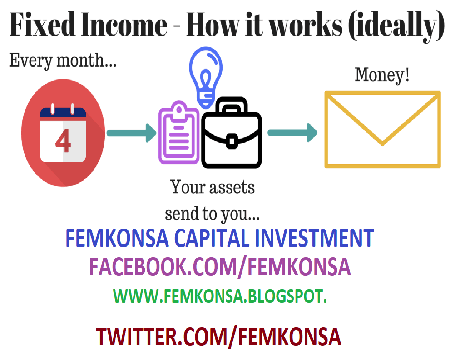
| Fixed income Security investments: Investment that provides a return in the form of fixed periodic interest payments and the eventual return of principal at maturity. Fixed income refers to any type of investment under which the borrower or issuer is obliged to make payments of a fixed amount on a fixed schedule. For example, the borrower may have to pay interest at a fixed rate once a year and repay the principal amount on maturity. Fixed-income securities can be contrasted with equity securities – often referred to as stocks and shares |
Personal Finance: Where are the safe places to put your money in time of financial crises, economic turmoil?
---------------
Finance: Fixed Income Security Investment: Types Of Fixed Income Investments..
---------------
Preferred Stocks vs. Common Stocks. = // Types of Preferred Stocks... Why Do Companies Issue Preferred
Stock? = LEARN MORE HERE...
--------------
'' How the Fed Keeps Track of Our Money Supply? // INVESTMENT'S SECRETS REVEALED, THE ABC's OF INVESTMENTS...
-------------------
Femkonsa Capital: Best Index Funds vs Best ETF"s = Exchange Traded Funds.
LEARN MORE HERE...
-------------------
Millionaire Portfolio: Passive Income - Residual Income - Earned Income - Portfolio Income. HERE ARE MUCH MORE... =
Research & Learning -/
-----------------
Dividend Stocks: List Of Dividend Paying Companies. Quarterly monthly cash-flow = Return On Investment... LEARN MUCH
MORE HERE...
-----------------
Knowledge Center: 101 Ways to Make Money Online We often recommend earning some extra income on the side .
---------------
Entrepreneur: Business Ideas And Opportunities.
---------------
Economic: Different Types Of Market To Invest in...
--------------
Freeknowledge: Things to Know About Government Bonds & Municipal Bonds...
-------------
Resource Center: Different ways to protect your money…
What to do when we have a market panic, or economic uncertainty...
Last Will And Testament...
What Not to Include When Making a Will...
Ways to Avoid Probate... LEARN MORE HERE...
---------------
Finance: Fixed Income Security Investment: Types Of Fixed Income Investments..
---------------
Preferred Stocks vs. Common Stocks. = // Types of Preferred Stocks... Why Do Companies Issue Preferred
Stock? = LEARN MORE HERE...
--------------
'' How the Fed Keeps Track of Our Money Supply? // INVESTMENT'S SECRETS REVEALED, THE ABC's OF INVESTMENTS...
-------------------
Femkonsa Capital: Best Index Funds vs Best ETF"s = Exchange Traded Funds.
LEARN MORE HERE...
-------------------
Millionaire Portfolio: Passive Income - Residual Income - Earned Income - Portfolio Income. HERE ARE MUCH MORE... =
Research & Learning -/
-----------------
Dividend Stocks: List Of Dividend Paying Companies. Quarterly monthly cash-flow = Return On Investment... LEARN MUCH
MORE HERE...
-----------------
Knowledge Center: 101 Ways to Make Money Online We often recommend earning some extra income on the side .
---------------
Entrepreneur: Business Ideas And Opportunities.
---------------
Economic: Different Types Of Market To Invest in...
--------------
Freeknowledge: Things to Know About Government Bonds & Municipal Bonds...
-------------
Resource Center: Different ways to protect your money…
What to do when we have a market panic, or economic uncertainty...
Last Will And Testament...
What Not to Include When Making a Will...
Ways to Avoid Probate... LEARN MORE HERE...